BinCloud: Reimagining Industrial Inventory Management
How a fluid, user-focused redesign turned a rigid legacy application into a 10x growth engine.
Project overview
Role: Lead UI/UX Designer
Timeline: 2020-2023
Core Focus: Data Visualization, Dashboard Customization, Cross-Platform Design (Desktop & Mobile)
The Legacy Problem
Managing supply inventory for manufacturers and farmers used to rely on surprisingly archaic methods. Before software, determining silo levels involved climbing to dangerous heights with a tape measure, hitting the side with a hammer, or throwing rocks to listen for hollow sounds.
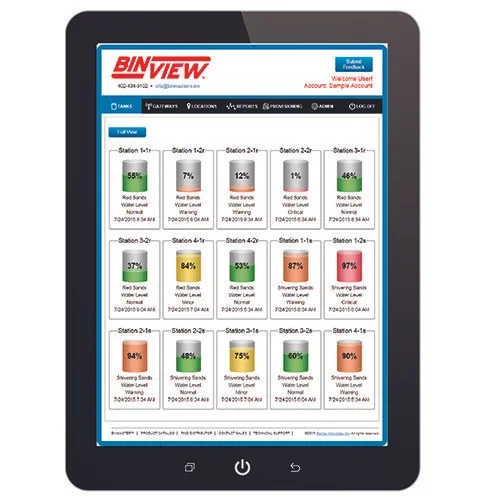
The first digital solution, My BinView, was built on basic Bootstrap templates. While functional, it lacked depth, failed to adapt to individual industry needs, and left users frustrated.
Key Insights & Research
To understand why the original application wasn't sticking, we spoke with sales staff and conducted research with current users. We discovered three massive friction points:
Low Engagement: Most enrolled users logged into the legacy app exactly once—or not at all—assuming it wasn't useful.
Extreme User Variance: Target customers came from at least 6 different industries, each with entirely distinct data needs. One size absolutely did not fit all.
Negative Sentiment: Active users felt neutral to flat-out negative about the existing software experience.
The Epiphany: Competitors suffered from these exact same drawbacks. The winning strategy wasn't to build another rigid template, but to create a fluid, customizable ecosystem where the experience adapts to the unique user.
The Solution
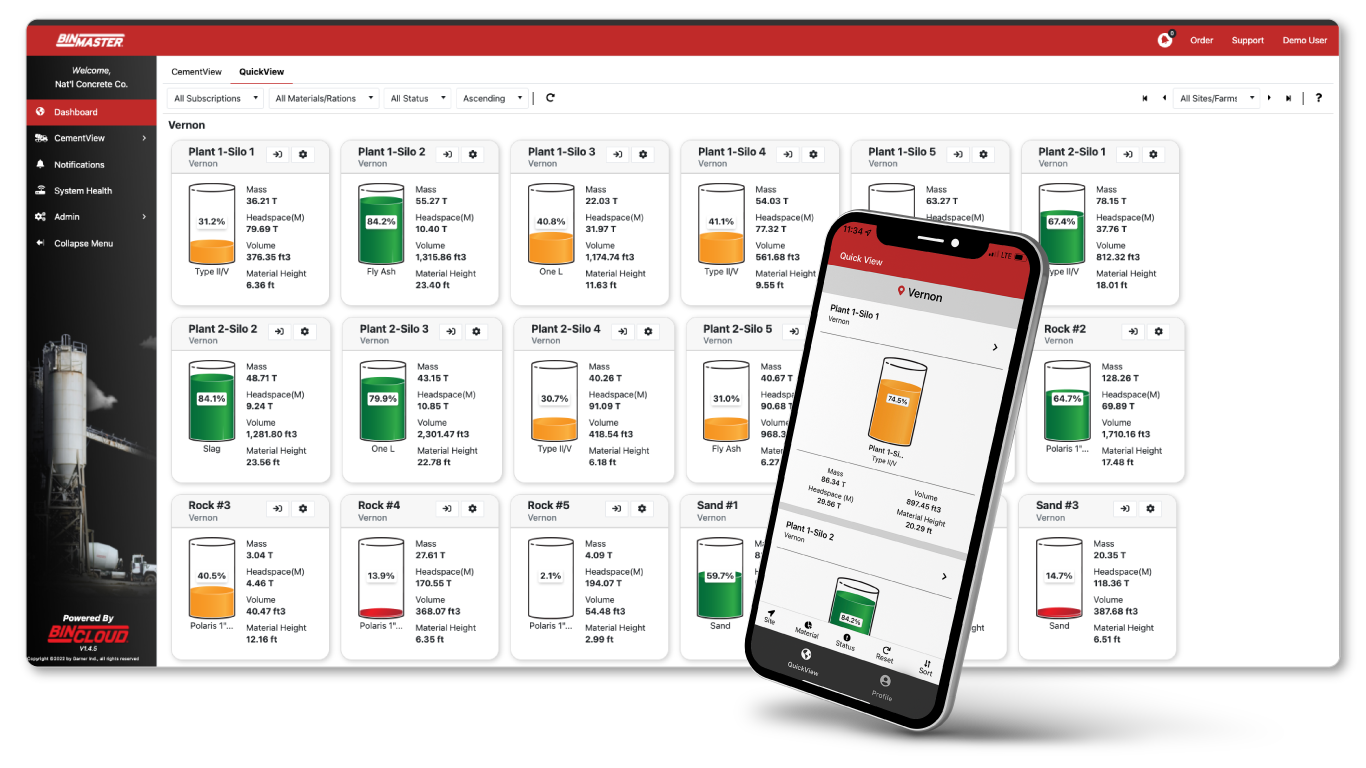
We rebuilt the application from the ground up on an Azure framework using three core product pillars:
User-Focused Displays: Allowing users to customize configurations and data views based on their specific industry and daily needs.
Leveraging Brand Identity: Infusing the company's unique corporate colors and presentation style to make the application instantly recognizable and stand out against a sea of drab competitors.
Continuous Feedback Loops: Establishing an ongoing pipeline for user research to consistently identify industry pain points and roll out tailored features.
QuickView & Customization
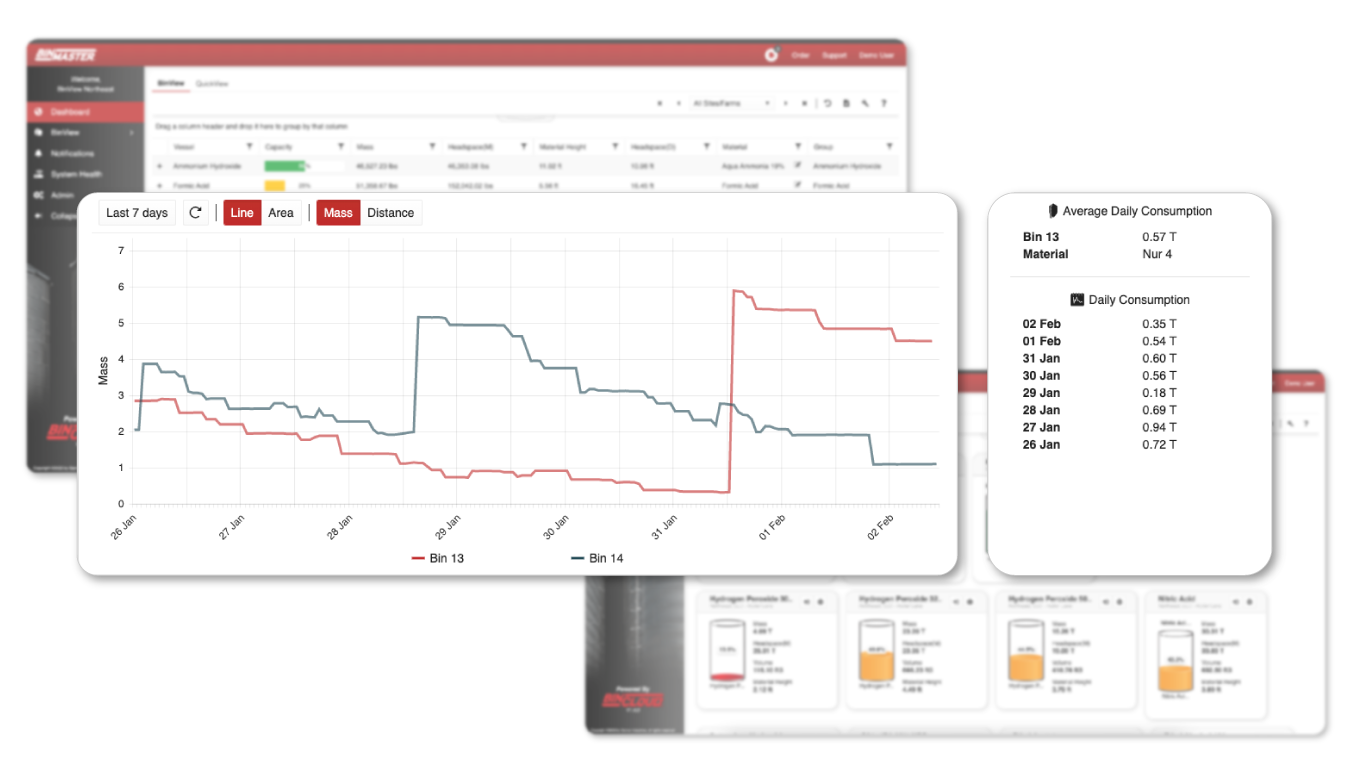
Analytics showed us a fascinating behavior pattern: users spent the vast majority of their time on a single screen—the QuickView page. They rarely left it unless they absolutely had to dig deeper.
Instead of fighting this behavior, we leaned into it. We supercharged the QuickView page by packing it with massive functionality, giving users the exact data they need at a glance, and allowing them to set it as their default landing page.
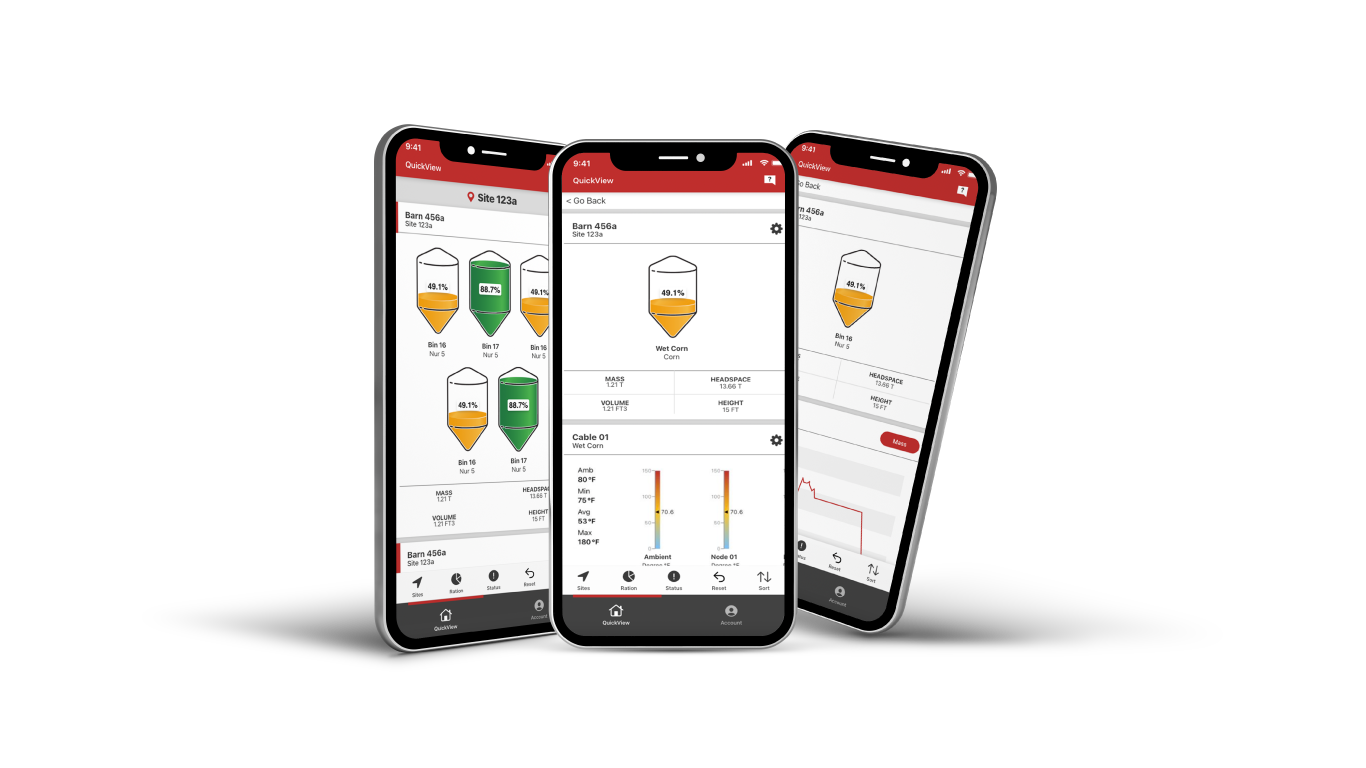
Going Mobile: Inventory on the Move
Field operators, farmers, and managers aren't tied to a desk—they are on job sites and out in the field.
To meet them where they work, I designed a streamlined mobile adaptation of the QuickView interface. It distills the core desktop experience down to critical, actionable inventory levels so users can make high-impact business decisions on the go.
The Impact
By shifting to a user-centric, fluid design, the application didn't just improve—it exploded.
10x User Growth: Total enrolled users skyrocketed to ten times the original count.
Massive Active Engagement: Active daily users jumped from a minor 10–20% to a consistent 50% of all enrolled users.
Streamlined Support: The combination of an intuitive landing page, an integrated chat function, and Zendesk support dramatically cut down troubleshooting calls to the sales team.
-
![]()
BinCloud
An inventory-monitoring design system that simplifies complex industrial sensor data into high-utility, customizable dashboards.
-
![]()
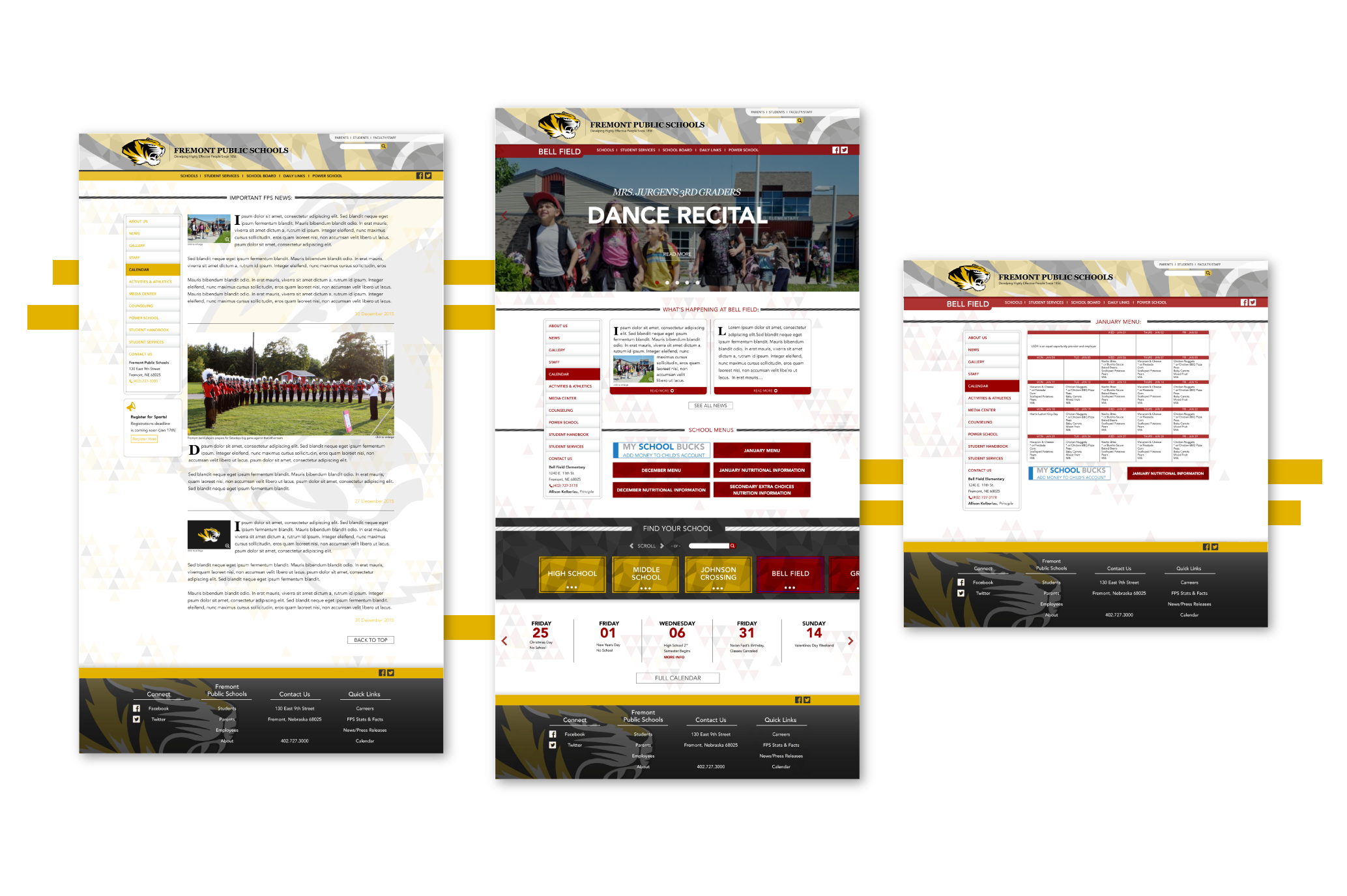
Fremont Public Schools
A modular, multi-school web ecosystem that unifies fragmented legacy interfaces into a cohesive, highly accessible platform.
-
![]()
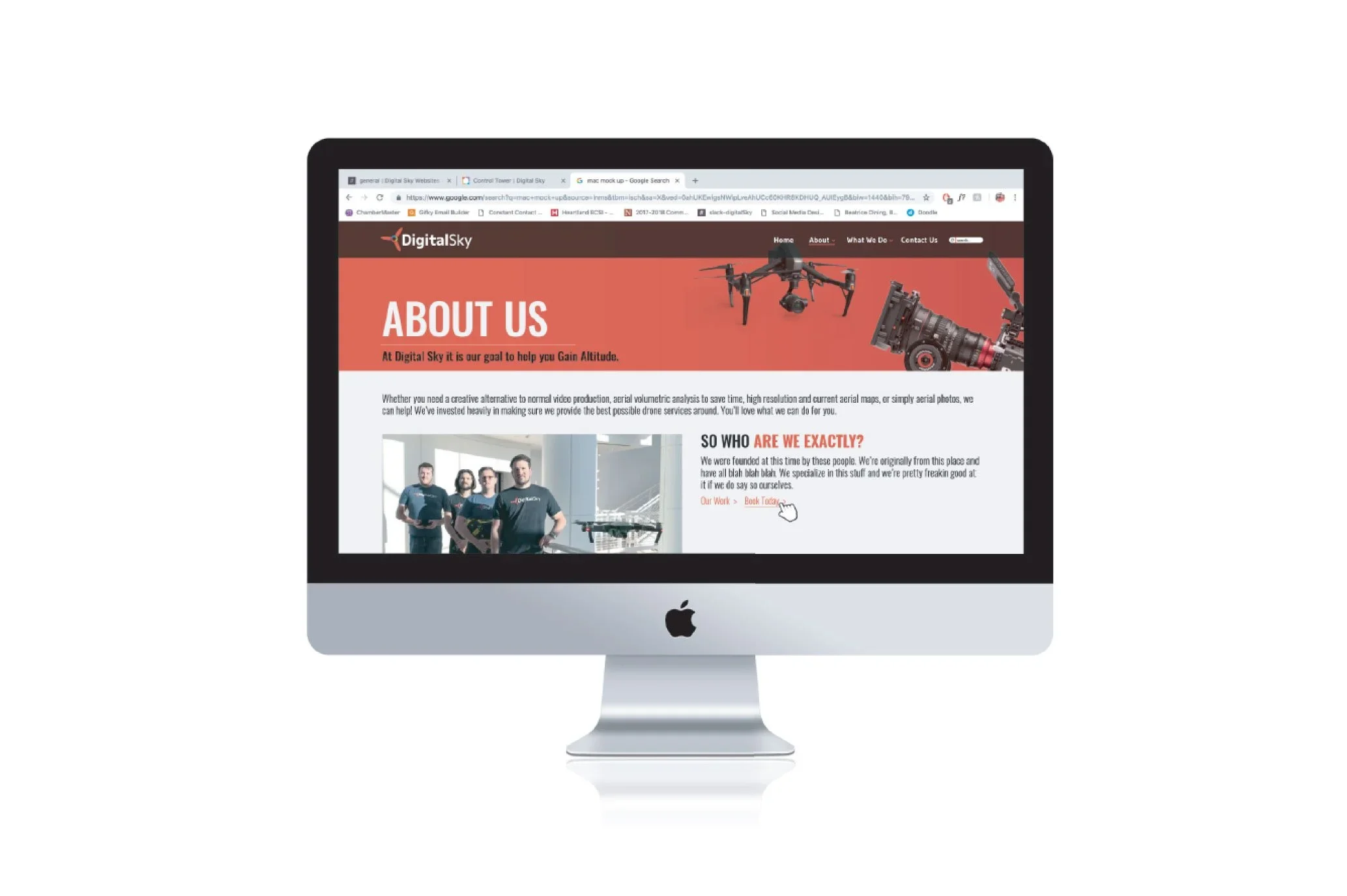
Digital Sky
A high-impact split-screen gateway designed to balance contrasting workflows for creative video and industrial drone services.
-
![]()
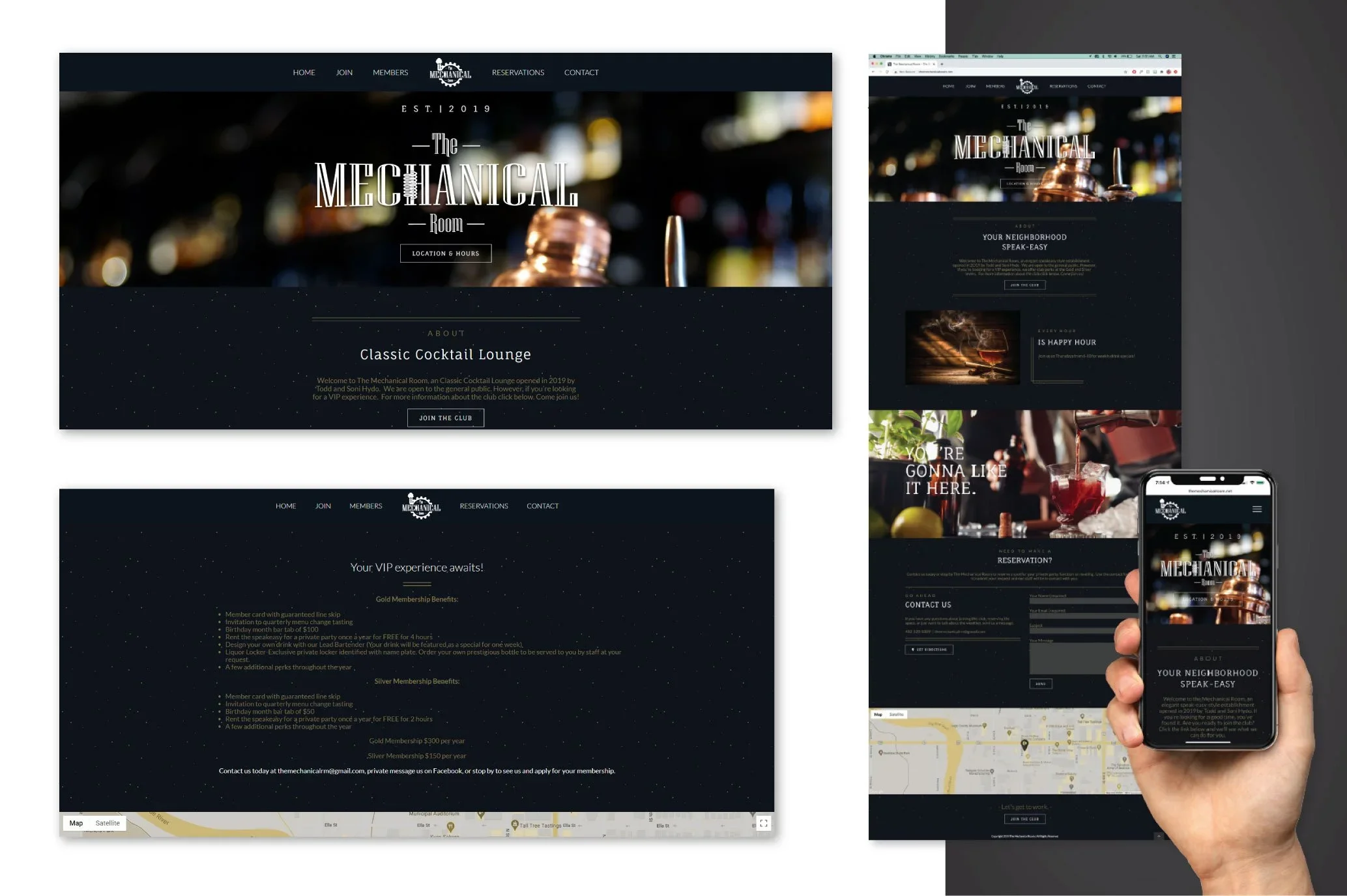
The Mechanical Room
An atmospheric, dark-mode digital ecosystem and gated membership portal that translates a physical speakeasy experience online.
-
![Beatrice Mercantile]()
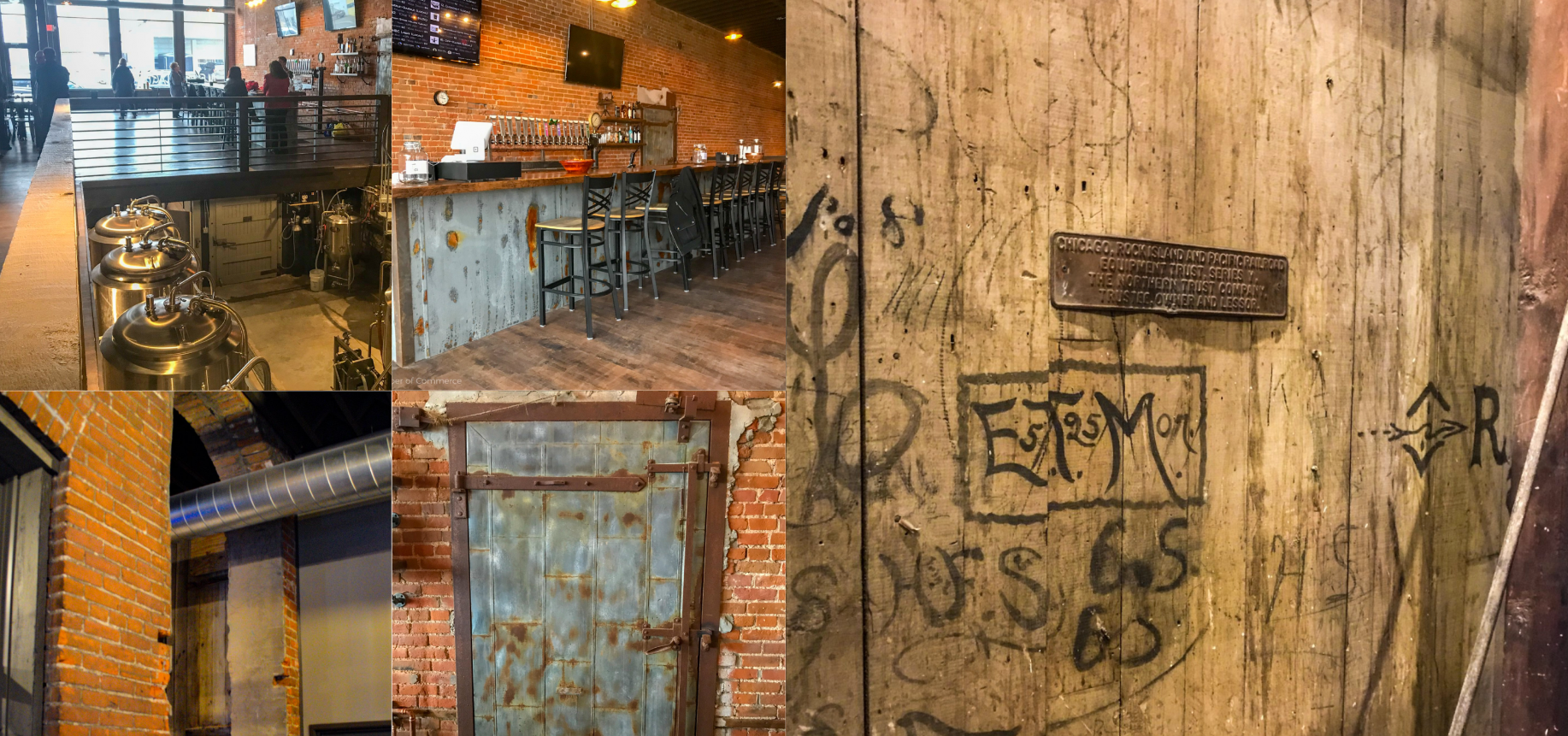
Beatrice Mercantile
A unified, multi-tenant directory that transforms a historic physical building into a cohesive, discoverable digital destination.
-
![]()
Visit McCook
A heritage-driven place-branding system and travel portal designed to celebrate regional identity and drive local tourism.